An Organism Which Is Used as as Inoculant
Another nitrogen-fixing bacterium is Acetobacter isolated from sugarcane roots and stems. Microbial soil inoculants need to be applied in the root zone.

Examples Of Some Microbial Inoculants The Test Crops And Their Download Scientific Diagram
Careful Considerations When Handling Inoculants.
. There are many others like Bradyrhizobium japonicum used to inoculate soybeans for nitrogen fixing. Active Ingredients of Product. Once mixed up it is best to use it as quickly as possible.
Lactobacillus buchneri is the heterofermentative species used to improve aerobic stability. Azotobacter can be used with crops like wheat maize mustard cotton potato and other vegetable crops. A An organism capable of producing disease in a susceptible host b An organism which utilizes inorganic compounds for nutrition c An organism which carries Rocky Mountain spotted fever d An organism which is used as an inoculant A Incorrect.
Peat has been commonly used as a carrier for PGPR particularly for rhizobia inoculants due to its wide availability and a long history of field trials. Several PGPR products require to be kept refrigerated until use. Soil naturally is teeming with bacteria though most are neither beneficial nor harmful.
They attach themselves to the roots of bean and. In the simplest terms soil inoculants are colonies of bacteria that are introduced artificially into the soil. While you may test your soil to see what results of stressful environments such as a history of inconsistent watering imbalanced salinity levels poor soil quality there isnt a test to determine exactly what.
Inoculant biofertilizer biofungicide biostimulant etc. Familiar with the use of inoculants can select products from manufacturers with good reputations and high standards of quality control. Botrytis Powdery Mildew Late blight Early blight Bacterial wilt Bacterial spot Ascochyta.
Some rhizobia that for example were used in the past to nodulate soybeans were not that effective but have now colonised the soil in which it survives well and out-competes other selected inoculants. For example soybean and peanut inoculants organisms come from the genus Bradyrhizobium. Nostoc fix atmospheric nitrogen and are used as inoculations for paddy crop grown both under upland.
But perhaps youd prefer to make your own inoculant maybe to save money or to be more sustainable or because you just think it would be cool man. What functional classication of micro-organism would you describe this product to be. 64 noted that the ability to distribute the inoculant established in soils with indigenous rhizobial populations because also depends on what organism is being used.
Some inoculant products have fungi bacteria and other microbes which are designed to live within the microscopic and individual bits of soil. A selected strain was evaluated for its competitiveness as an inoculant with Enterococcus faecium an organism used in inoculants and for its ability to enhance the effect of a commercial inoculant. Youve probably heard of these beneficial bacteria in yogurt.
Genus Species Guaranteed CFU of micro-organisms Carrier if not CBI a. Microbiome engineering is increasingly being employed as a solution to challenges in health agriculture and climate. Rhizobium inoculant is used for leguminous crops.
What were going to do is gather and multiply Lactobacillus bacteria which are especially beneficial microbes. The bacteria most commonly used are Rhizobium bacteria for inoculating legumes like peas and beans in the home garden. Rhizobium bacteria are microscopic beneficial organisms that live in the ground.
Direct soil applications are usually made at the base of the plant near plant roots. Microbes used in inoculants are packaged in ways that allow for survival based on their physiology. The label should provide information on the species of rhizobia in the inoculant and may also list the strain or strains used.
The most common homofermentative species is Lactobacillus plantarum. Other common homofermentative species include various Lactobacillus or Pediococcus species and Enterococcus faecium. Rheum officinale plant extract 5 Bacillus subtilis.
The word inoculant refers to the active material used in an inoculation with inoculation meaning the introduction of a pathogen or antigen into a living organism to stimulate the production of antibodies. In certain instances the introduced inoculants fail to become Gentry et al. In this article well focus on inoculating legume plants with Rhizobium leguminosarum a bacteria which fixes nitrogen into the soil.
Some inoculants are made of Lactobacillus bacteria. Inoculants with multiple strains are usually effective. Shelf-life can be limiting these inoculants contain living organisms.
D an organism which is used as an inoculant a an organism capable of producing disease in a susceptible host An infection that occurs after another infection is already present is. However bacteria play a vital and subtle role in plant health. A biological derived Hybrid Bactericide Fungicide and Viricide that combines highly active plant extract with natural micro-organisms for use on a wide range of crops.
Name or names of substrate types or plants with which product is to be used. This is why it is essential to use only the right inoculant strains selected and approved by the ARC. The correct organism is of great importance.
Testing was completed over three studies using wilted alfalfa 28 to 34 dry matter ensiled into laboratory silos. It has since become a common term for a large number of people in pretty much any context or capacity. When added to peat PGPR maintain metabolic activity and in some cases can continue to multiply during the storage period thus increasing their population size but this can vary with different stains 75.
Often manipulation involves inoculation of new microbes designed to improve. An inoculant may contain one or more strains of lactic acid bacteria. Making Your Own Microbial Inoculant.
Azospirillum inoculations are recommended mainly for sorghum millets maize sugarcane and wheat. This genus of bacteria is known to be slow growing and microaerophilic allowing microbes with this trait to be packaged in low oxygen environments. Since inoculants use living organisms bacteriatheyre more susceptible to death during storage and application.

Microbial Inoculants Silver Bullet Or Microbial Jurassic Park Trends In Microbiology

Inoculating Pasture Legumes Agriculture And Food
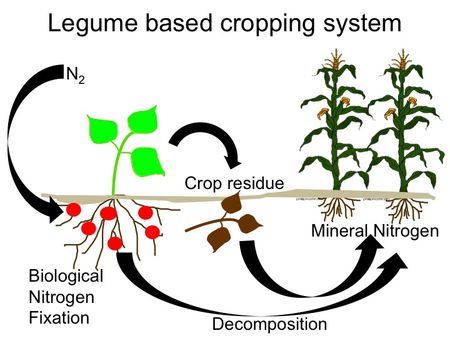
Legume Inoculation For Organic Farming Systems Eorganic
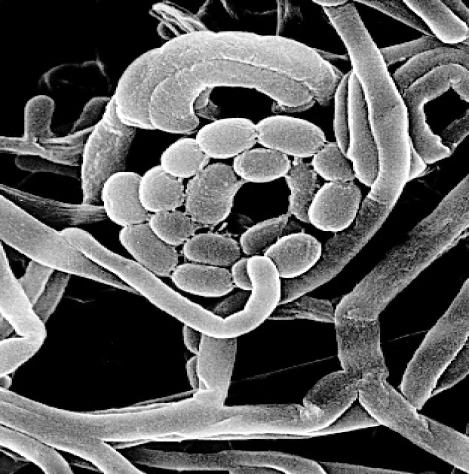
Soil Inoculants Uga Cooperative Extension

5 Situations That Call For Inoculant Unified Ag Solutions

Use Pea Inoculants To Grow A Healthier Crop Hobby Farms

Mycorrhizal Inoculant Hard To Spell Easy To Use
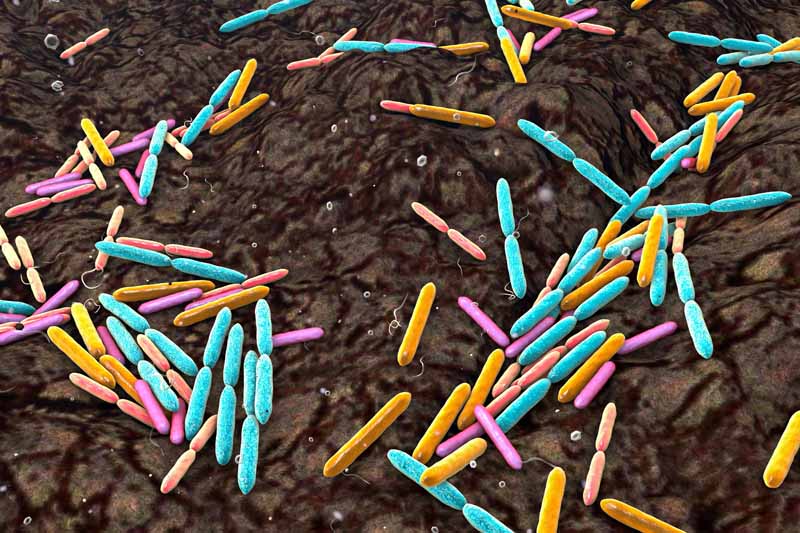
The Benefits Of Applying Soil Inoculants And Microbes In The Garden
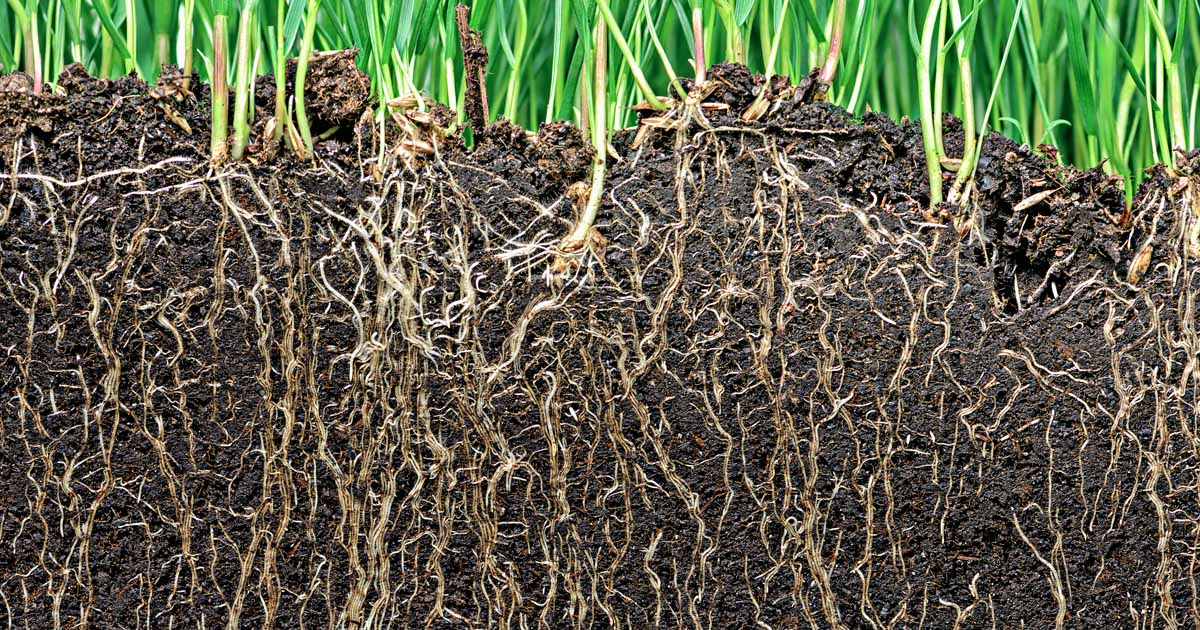
The Benefits Of Applying Soil Inoculants And Microbes In The Garden

Inoculum An Overview Sciencedirect Topics
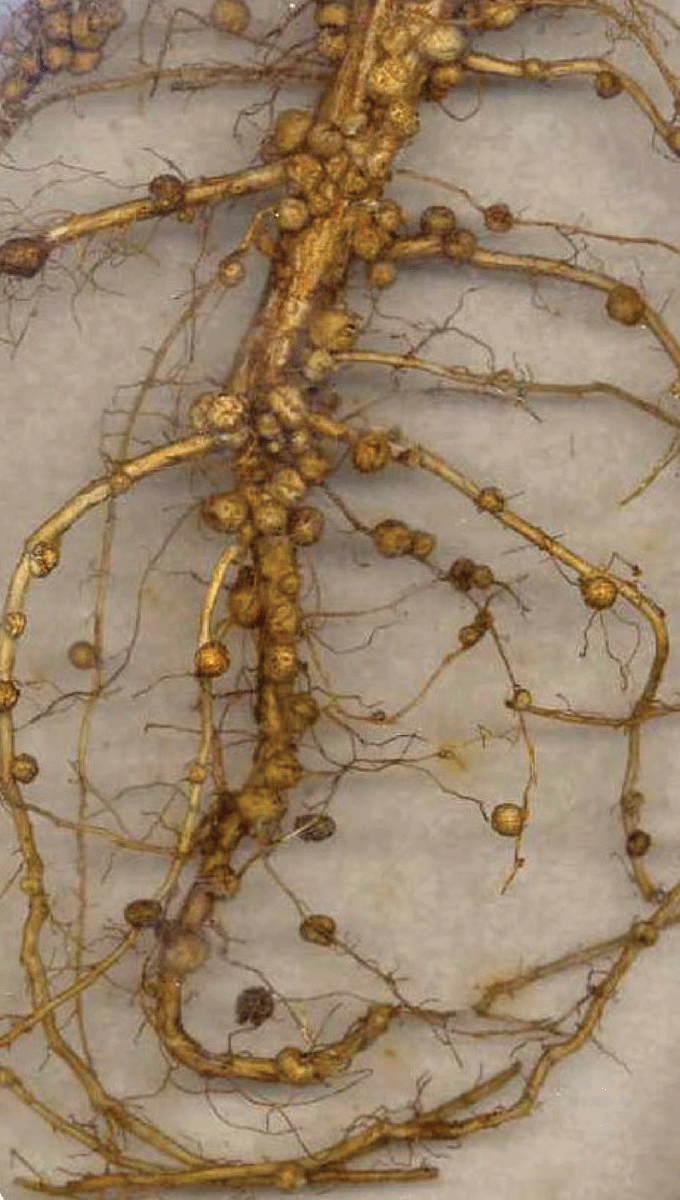
Soil Inoculants Uga Cooperative Extension

Composting And Microbial Inoculants Biocycle

Some Of The More Common Bacteria Used As Silage Inoculants And Some Download Scientific Diagram

The Inherent Conflicts In Developing Soil Microbial Inoculants Trends In Biotechnology

5 Situations That Call For Inoculant Unified Ag Solutions
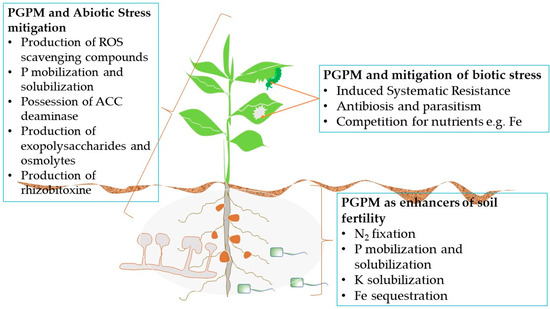
Agronomy Free Full Text Relevance Of Plant Growth Promoting Microorganisms And Their Derived Compounds In The Face Of Climate Change Html

Microbial Inoculants Silver Bullet Or Microbial Jurassic Park Trends In Microbiology

The Benefits Of Applying Soil Inoculants And Microbes In The Garden

The Benefits Of Applying Soil Inoculants And Microbes In The Garden


Comments
Post a Comment